Skin
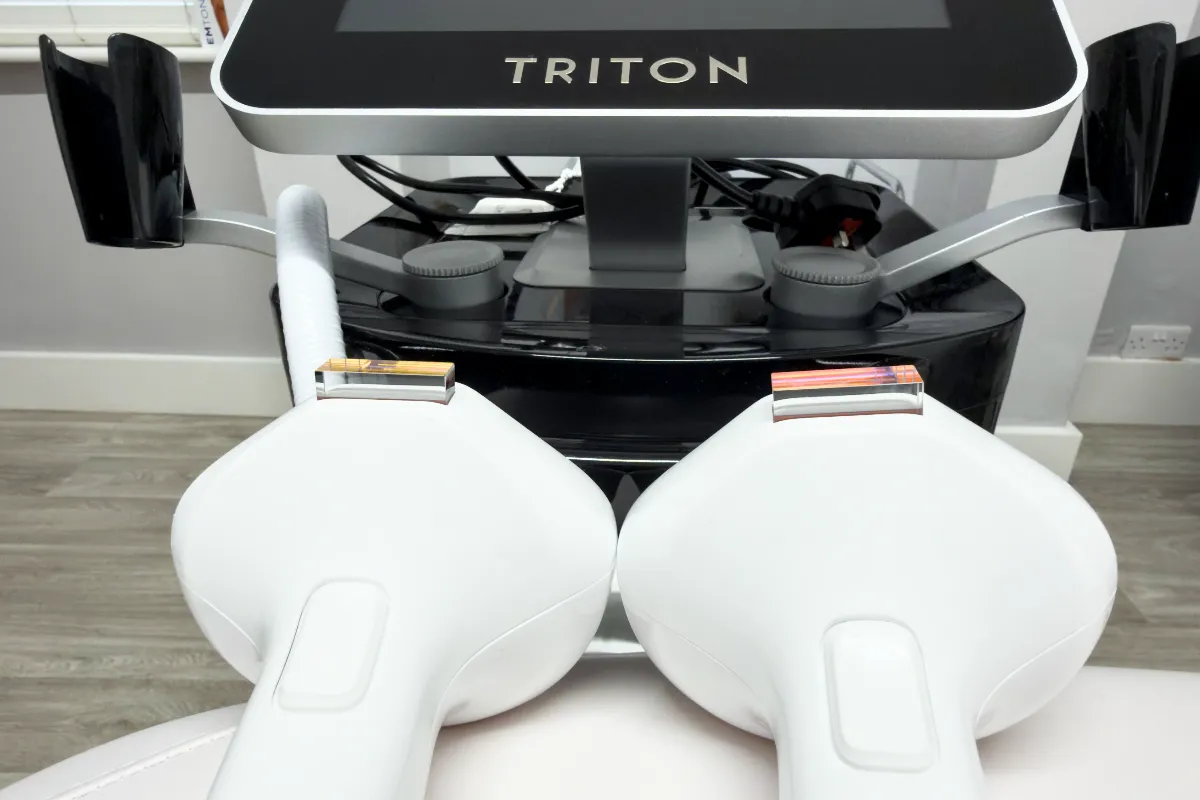
Lumecca IPL
- Duration
- 45 mins
- Downtime
- Minimal. Mild redness can last a few hours and pigmentation may darken briefly before flaking away.
From £90
Skin concern
Uneven pigmentation is driven by melanin overproduction. Clinical approaches interrupt that process and target existing pigment without damaging surrounding tissue.
Understanding the cause
Depth determines which treatment works. Superficial pigmentation sits in the epidermis. Hormonal melasma frequently sits in the dermis, or both layers simultaneously.
Melanin overproduction presents as sunspots, diffuse melasma, post-inflammatory hyperpigmentation or generalised UV discolouration. What these share is overactive melanocyte signalling. What they do not share is depth. Treating surface-level pigmentation is straightforward. Dermal or mixed pigmentation requires a different approach entirely.
Tyrosinase-inhibiting serums play a genuine role in a combined programme. Used consistently before clinical treatment, they suppress active melanin production and help establish control over melanocyte activity before any resurfacing or light-based treatment begins.
Shutting down the production side before treating established pigment changes what is achievable clinically. At The London Road Clinic, tyrosinase-inhibiting serums are used as preparation before IPL, resurfacing and other pigmentation treatments, reducing active melanocyte signalling so that clinical treatments work from a more controlled baseline. Serums alone cannot break up accumulated pigment clusters or reach dermal deposits. Within a structured programme that moves from preparation into clinical treatment, they are a meaningful part of what makes the result hold.
OBSERV skin analysis reveals pigment distribution invisible to the naked eye. This single step changes the treatment decision.
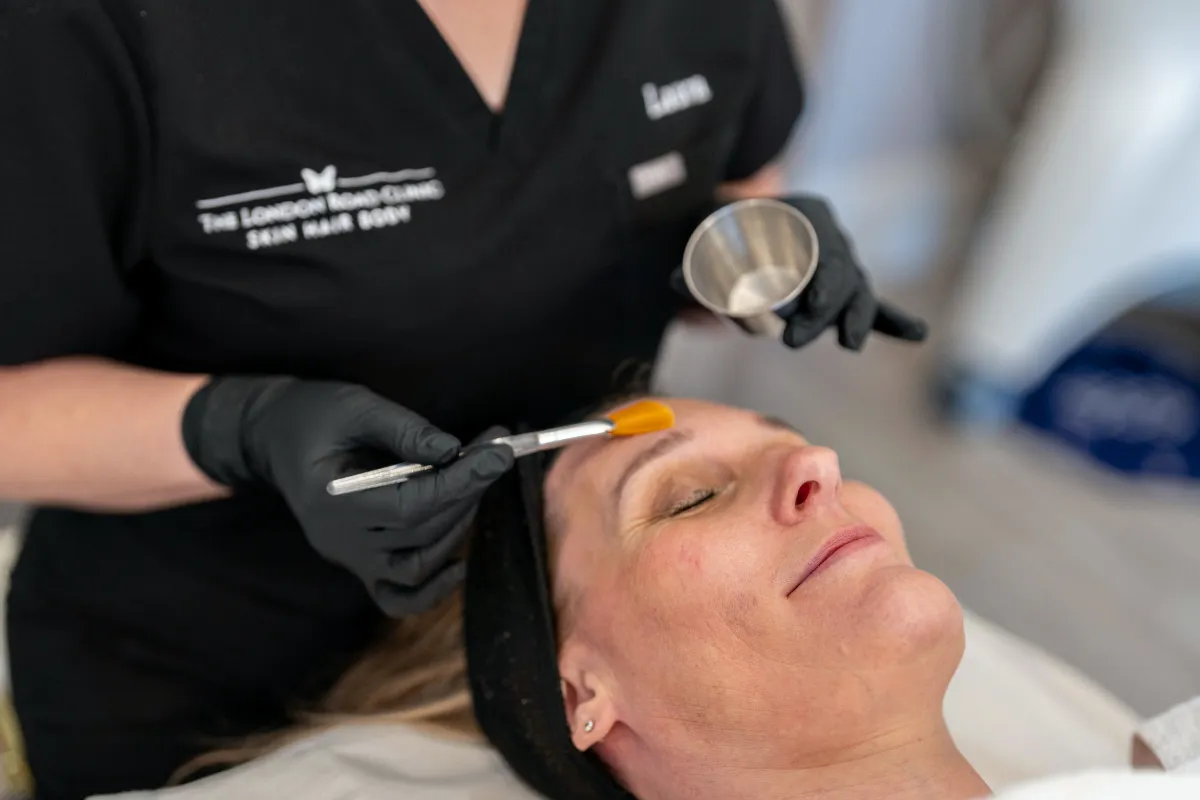
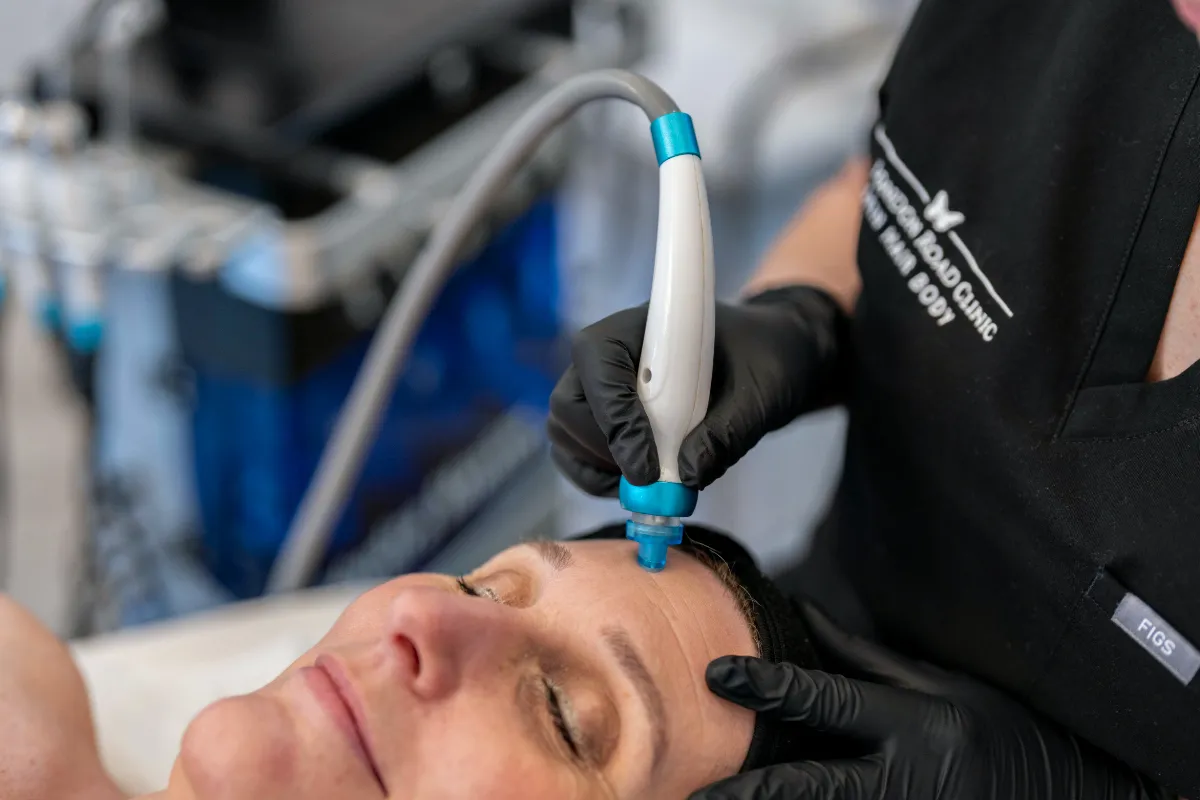
OBSERV imaging reveals the depth and distribution of pigment before any treatment is chosen. Lumecca IPL targets melanin selectively in the epidermis, making it highly effective for superficial sunspots and UV damage. Chemical peels and Hydra-Facial accelerate cell turnover for surface accumulation. Deeper or hormonal pigmentation requires a combination protocol. Treating without knowing the depth is the most common reason pigmentation treatment underperforms.
Recommended treatments
From £90
From £100
From £100
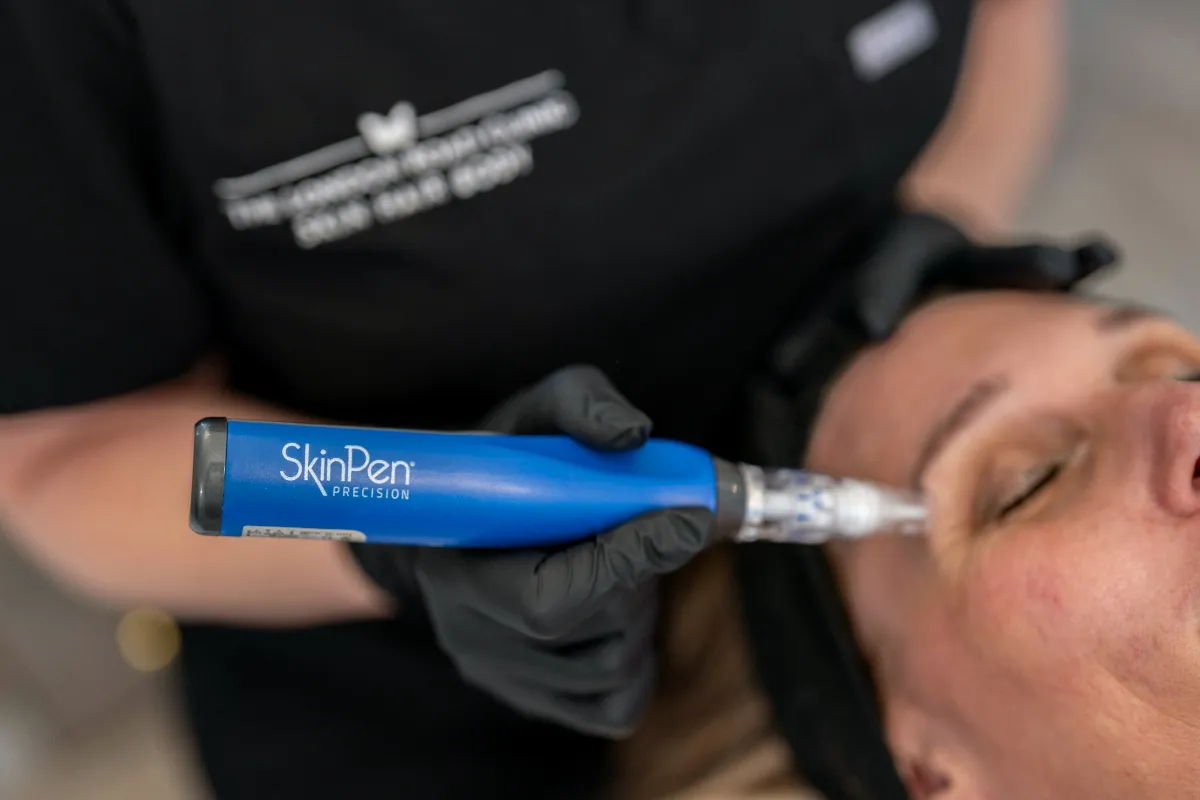
From £180
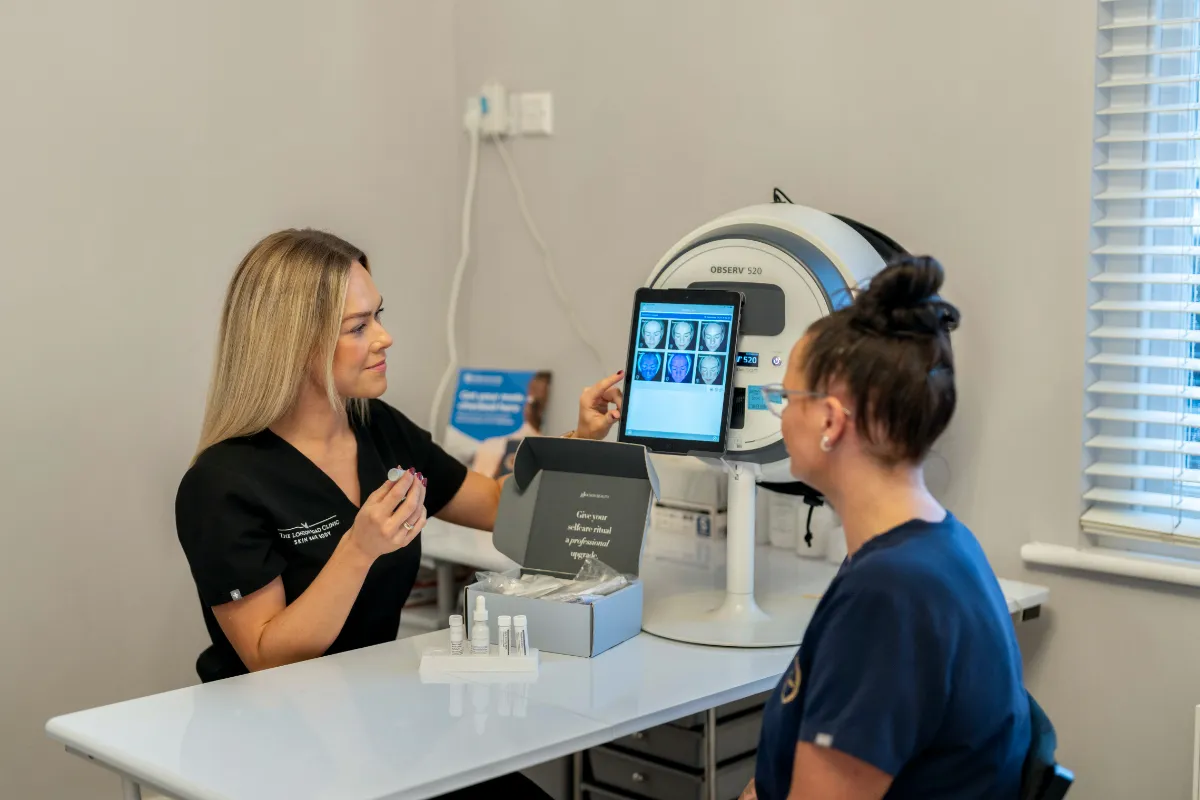
From £50
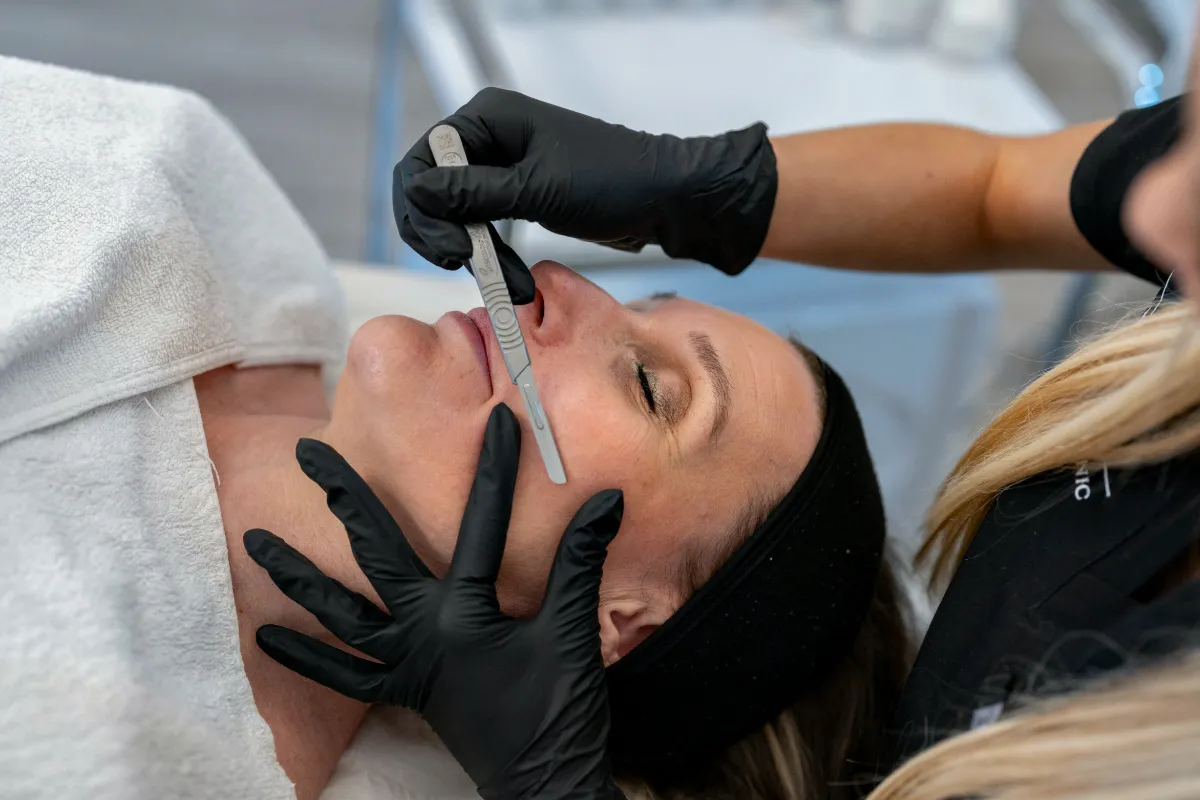
From £40
Clinical perspective
Pigmentation is one of the most common concerns I see, and one where people have often tried a lot before they reach us. The challenge is that pigmentation has different causes and sits at different depths, what works for post-inflammatory hyperpigmentation is not necessarily right for melasma. Before we recommend any treatment, we use OBSERV to map the pigment properly. That single step changes everything in terms of what we choose and in what order we treat.
Depth determines the approach OBSERV maps the pigment Identify before treating
In their own words
Very professional. Laura always knows what's best for my skin and talks me through the whole process. I have seen amazing results in the look of my skin since attending the clinic. Highly recommend.
Verified Fresha review. Displayed as submitted. Read all 1,400+ reviews →
Common questions
Ready to take the next step?
Your clinician will assess your skin, review your history and design a treatment plan matched to your specific presentation, not a generic protocol.
Medically reviewed by Dr Shahe Boghossian, Medical Consultant, GMC 5204600 . Last reviewed 21 May 2026.
Registered with & recognised by